
Effective Asphalt Sealing Practices
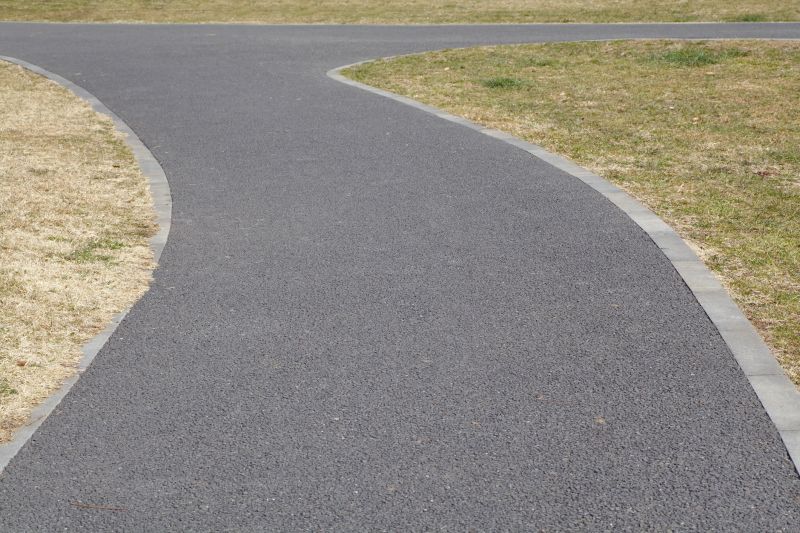
Ideal conditions for asphalt sealings include warm temperatures and low humidity, ensuring proper curing and adhesion.

Sealing during late spring and summer allows asphalt to dry thoroughly and provides optimal weather conditions.

Sealings should not be applied when temperatures are expected to drop below freezing, as this can compromise the sealant's effectiveness.

Ways to make Asphalt Sealings work in tight or awkward layouts.
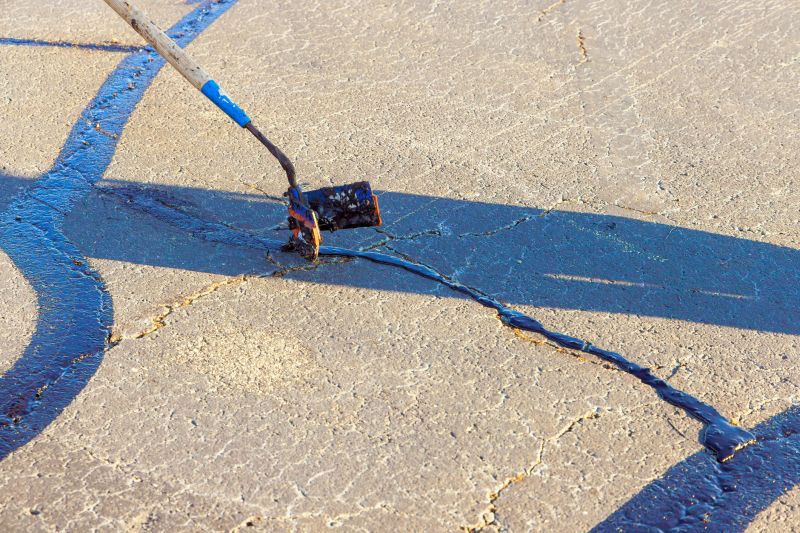
Popular materials for Asphalt Sealings and why they hold up over time.
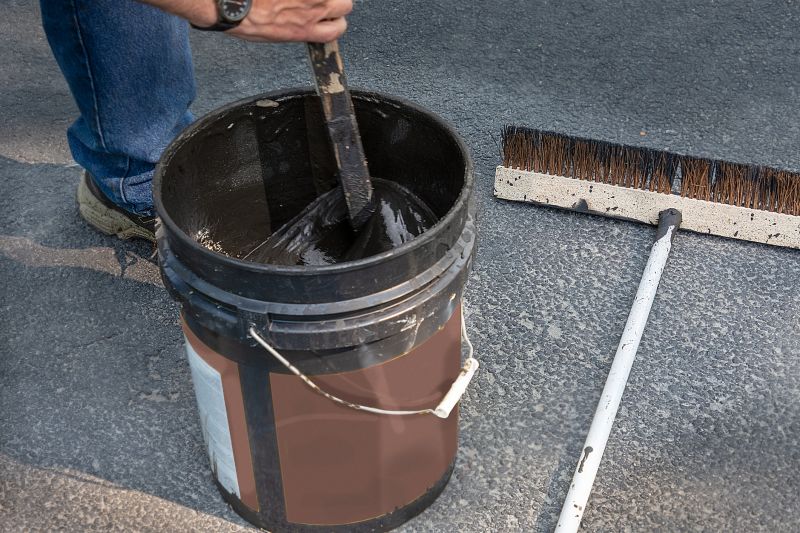
Simple add-ons that improve Asphalt Sealings without blowing the budget.
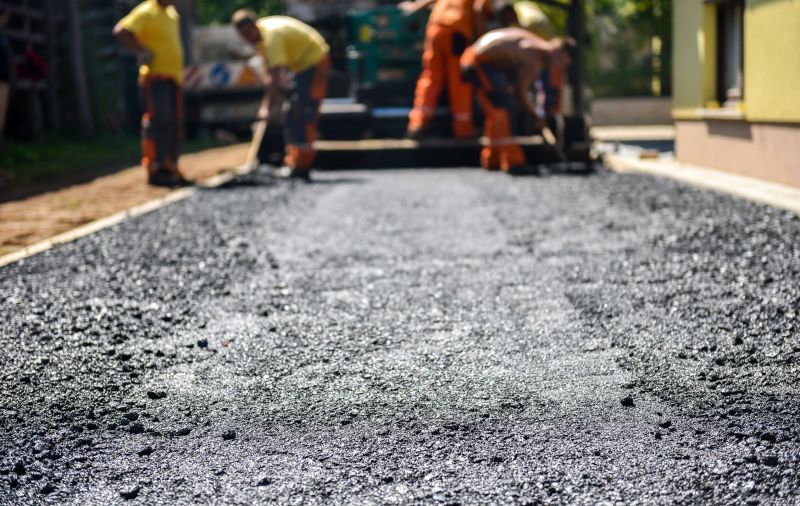
High-end options that actually feel worth it for Asphalt Sealings.
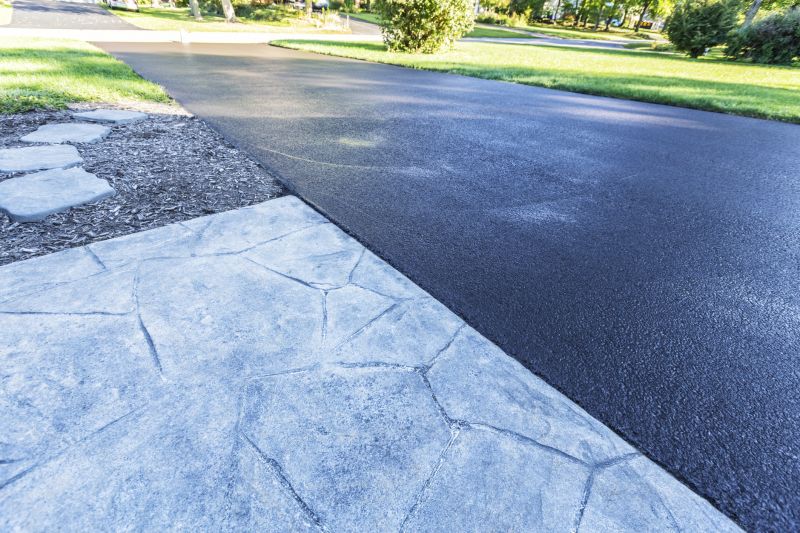
Finishes and colors that play nicely with Asphalt Sealings.
Asphalt sealings are a crucial maintenance process that protects pavements from water penetration, UV damage, and surface deterioration. Proper sealing extends the lifespan of asphalt surfaces, reduces the need for repairs, and maintains a smooth appearance. Sealants typically contain asphalt-based materials combined with additives to enhance durability and flexibility. Regular sealing can improve surface resistance against traffic wear and environmental factors, ultimately saving costs over time.
Applying sealings during suitable weather conditions ensures optimal curing and adhesion, maximizing protection.
Late spring through early fall is generally preferred for sealings due to stable temperatures and low moisture levels.
Typically, asphalt surfaces should be sealed every 2 to 5 years depending on traffic and environmental exposure.
Sealants are most effective when applied at temperatures above 50 degrees Fahrenheit and when no rain is forecasted.
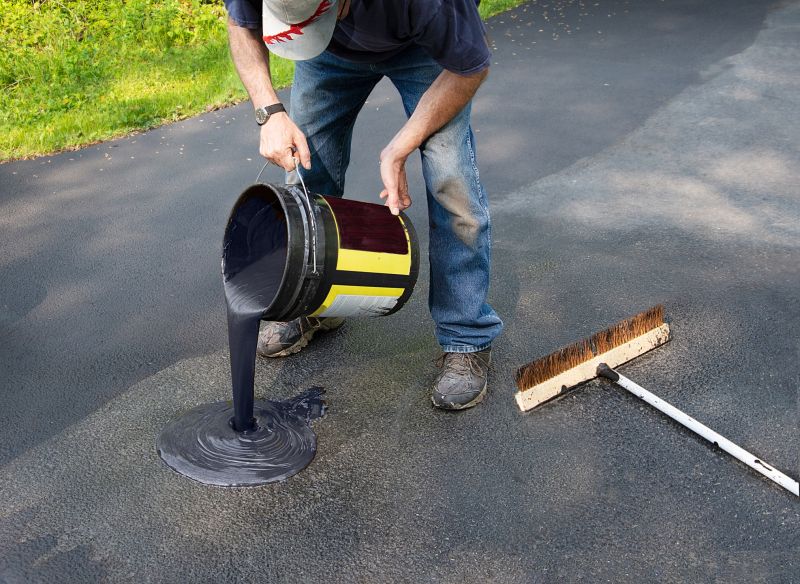
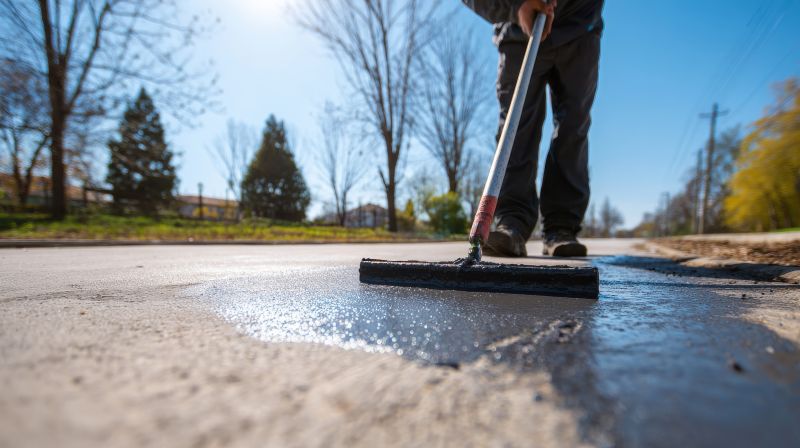
Application process involves cleaning, priming, and evenly spreading the sealant for maximum coverage.
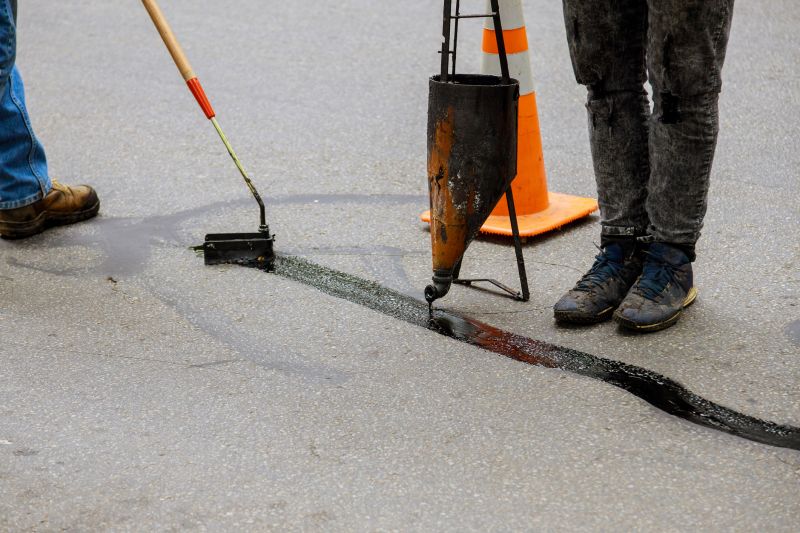
Curing typically takes 24 to 48 hours, depending on weather conditions, to achieve full effectiveness.
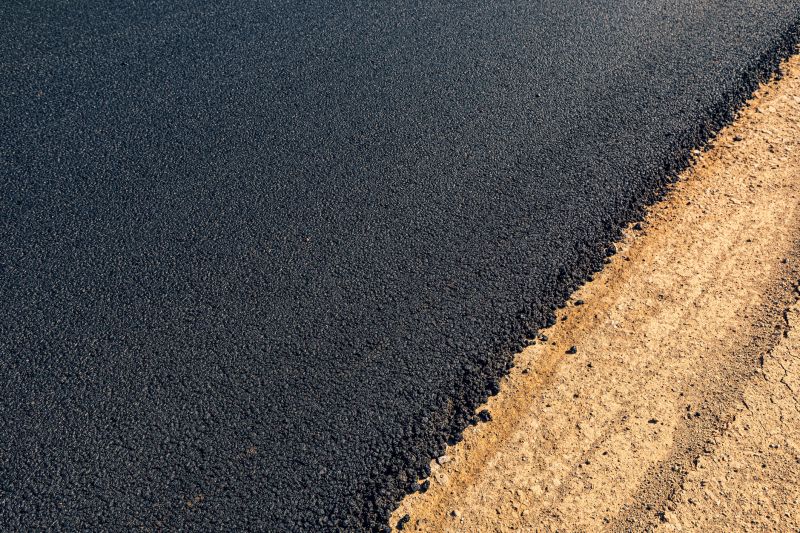
A well-sealed surface appears smooth and dark, indicating proper application and curing.
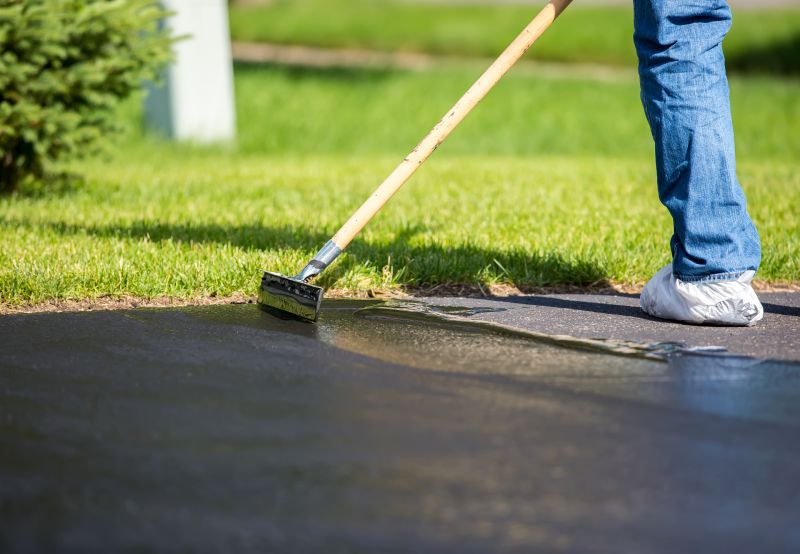
Avoiding heavy traffic and parking on the surface during curing helps preserve the sealant's integrity.
Little measurements that prevent headaches on Asphalt Sealings day.
A 60-second routine that keeps Asphalt Sealings looking new.
A frequent mistake in Asphalt Sealings and how to dodge it.
Small tweaks to make Asphalt Sealings safer and easier to use.
| Season | Optimal Conditions |
|---|---|
| Spring | Temperatures above 50°F, low humidity |
| Summer | Warm, dry days with temperatures 70-85°F |
| Fall | Stable temperatures and low rainfall |
| Winter | Not recommended due to freezing temperatures and moisture |
Choosing the right time for asphalt sealings is essential for maximizing durability and protection. Proper weather conditions facilitate effective application and curing, leading to longer-lasting results. Monitoring local forecasts and scheduling during periods of stable, warm weather ensures the best outcomes for asphalt maintenance.
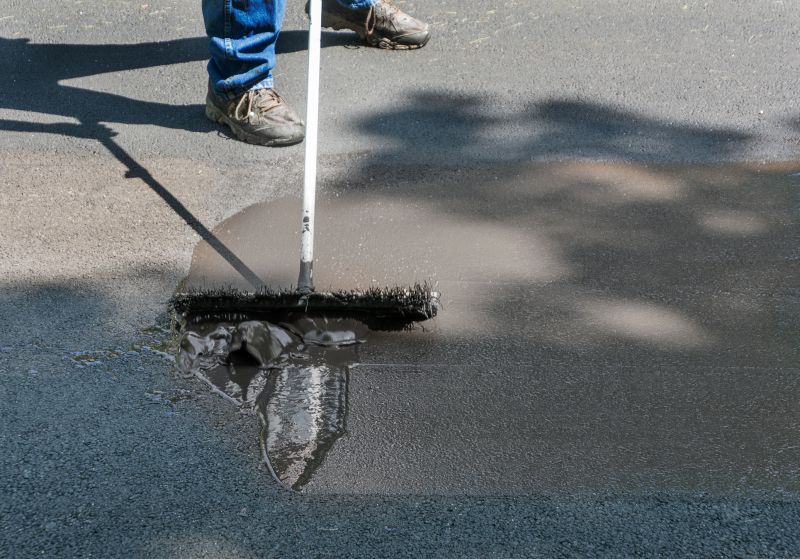
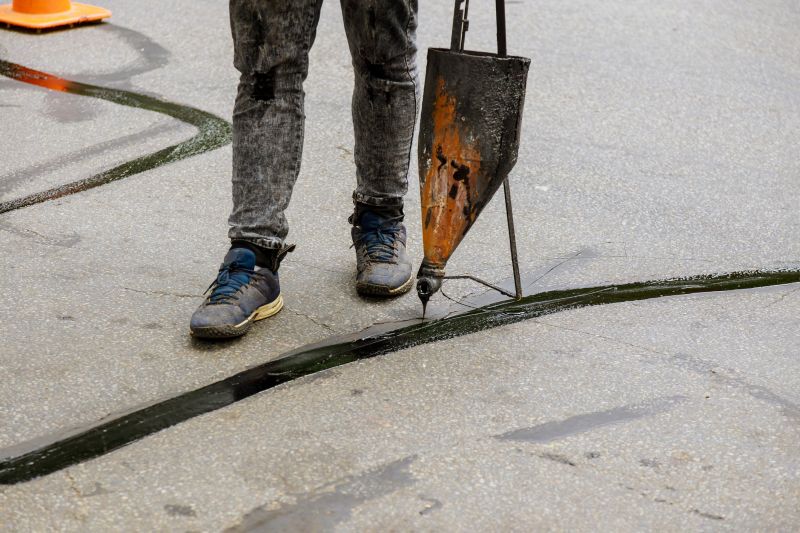
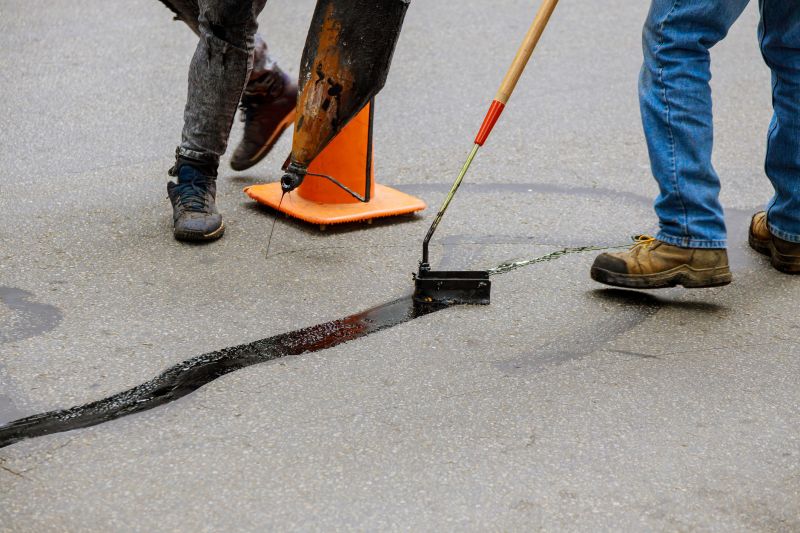
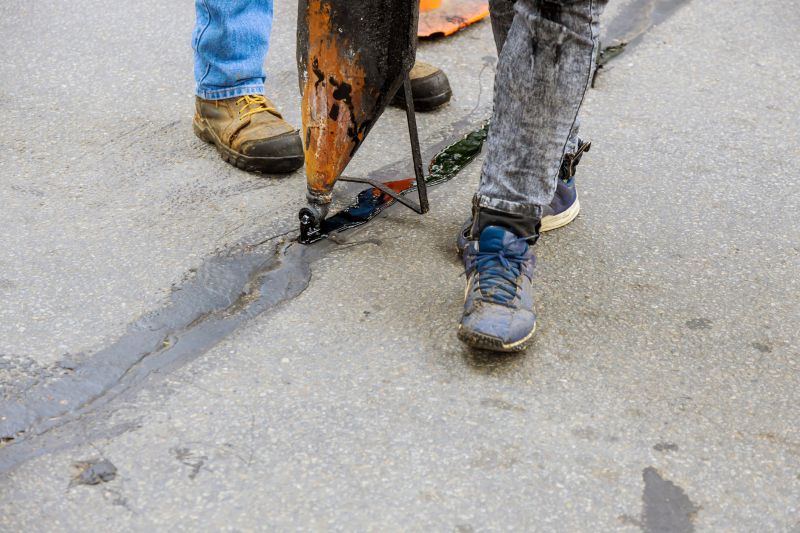
Professional equipment ensures even application and proper coverage of asphalt sealants.
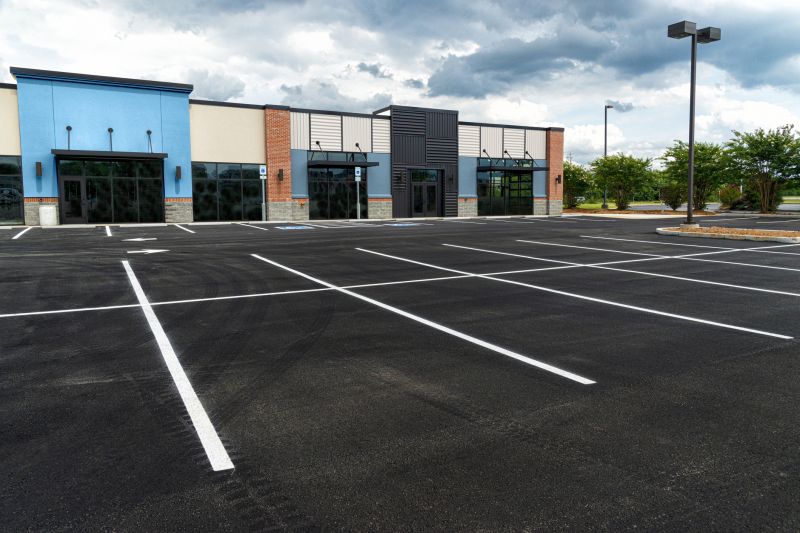
A newly sealed driveway or parking lot displays a dark, uniform surface ready for use.
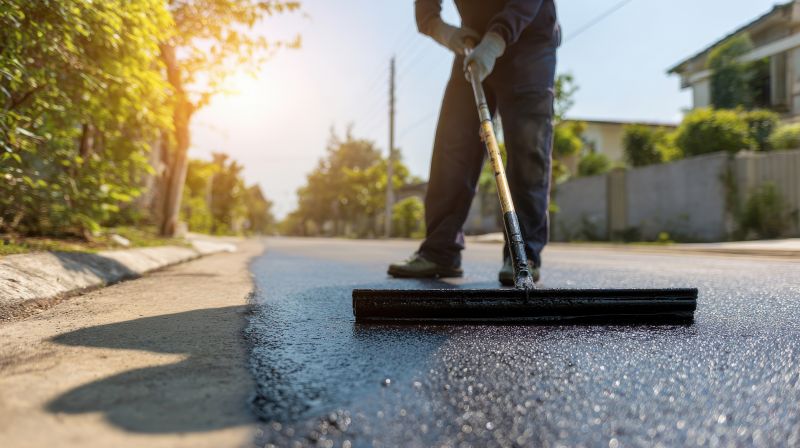
Assessing weather conditions helps determine the best window for application.
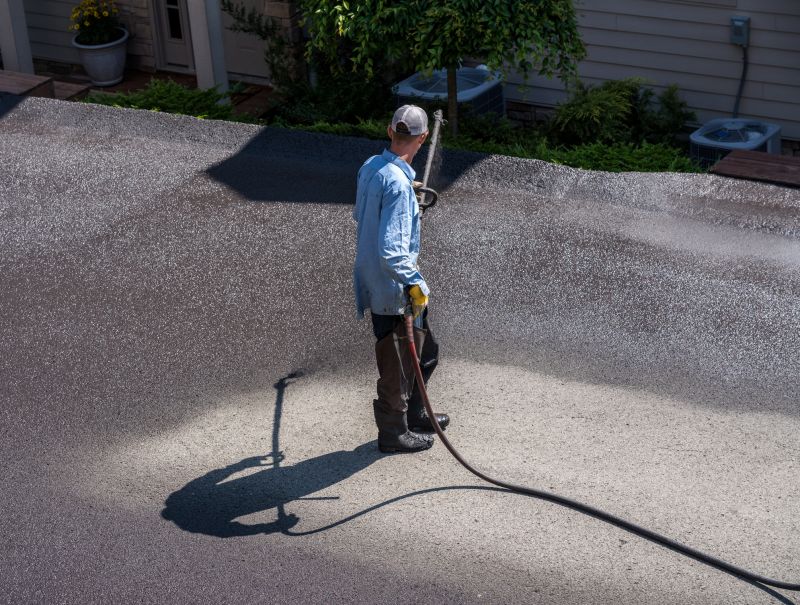
Step-by-step application involves cleaning, priming, sealing, and curing for optimal results.
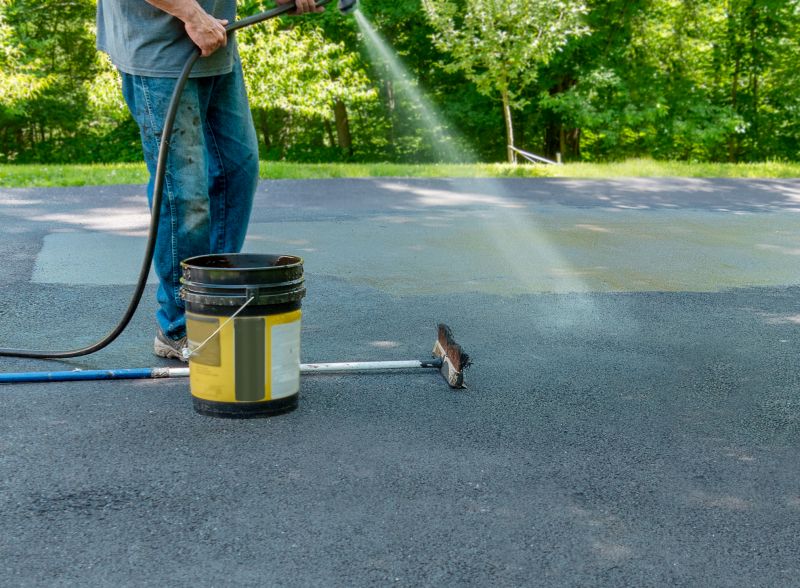
Lower-waste or water-saving choices for Asphalt Sealings.
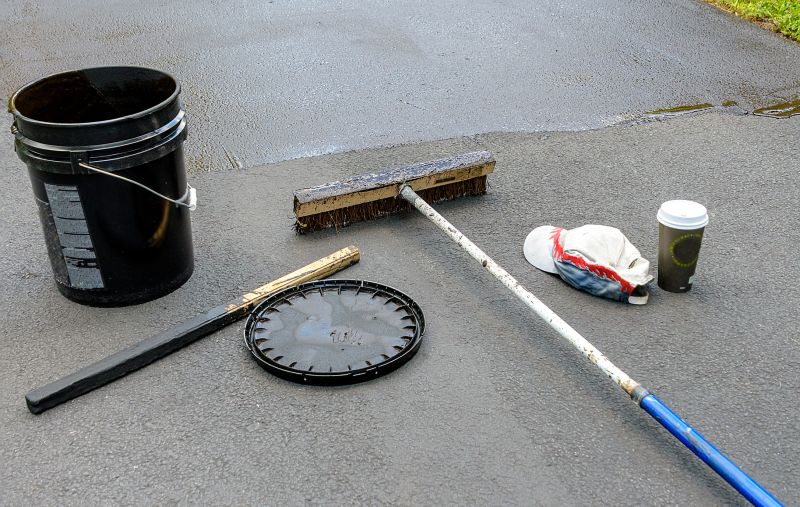
The short, realistic tool list for quality Asphalt Sealings.
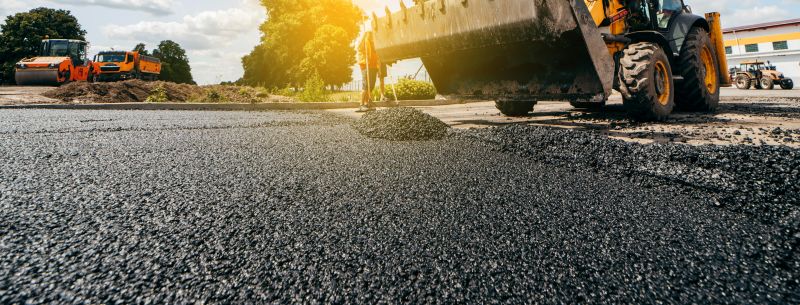
Rough timing from prep to clean-up for Asphalt Sealings.
Quick checks and paperwork to keep after Asphalt Sealings.
Proper timing for asphalt sealings not only enhances surface protection but also contributes to cost savings by reducing repair needs. Scheduling during favorable weather conditions is essential for achieving high-quality, durable results that extend the life of asphalt surfaces.